

Pancreatic Cancer: Early Awareness and Advanced Treatment
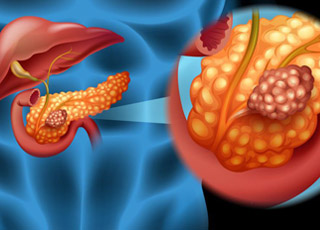
Pancreatic cancer is a serious condition that develops when abnormal cells grow uncontrollably in the pancreas—an important organ located behind the stomach that helps in digestion and blood sugar regulation. Because early symptoms are often subtle, pancreatic cancer is frequently diagnosed at an advanced stage. Timely diagnosis and expert care play a critical role in improving outcomes.
Causes and Risk Factors
The exact cause of pancreatic cancer is not always known, but several risk factors increase the likelihood of developing the disease:
- Long-term smoking and tobacco use
- Chronic pancreatitis
- Diabetes (especially new-onset diabetes in older adults)
- Obesity and poor dietary habits
- Family history or genetic predisposition
- Increasing age
Common Symptoms
Pancreatic cancer symptoms may be vague in the early stages and become more noticeable as the disease progresses. These include:
- Persistent upper abdominal pain that may radiate to the back
- Unexplained weight loss and loss of appetite
- Jaundice (yellowing of the skin and eyes)
- Dark urine and pale stools
- Nausea, vomiting, and indigestion
- New or worsening diabetes
- Fatigue and weakness
Any combination of these symptoms warrants immediate medical evaluation.
Diagnosis and Treatment Options
Diagnosis typically involves imaging studies such as CT scans, MRI, endoscopic ultrasound, and blood tests. Treatment depends on the stage, location of the tumor, and the patient’s overall health.
Treatment Options Include:
- Surgery (the most effective option when cancer is detected early)
- Laparoscopic or robotic pancreatic surgery for suitable cases
- Chemotherapy and radiation therapy
- Targeted and supportive therapies
Minimally invasive approaches help reduce recovery time while maintaining surgical accuracy.
Conclusion
Pancreatic cancer requires timely diagnosis, expert surgical care, and a coordinated treatment strategy. With advanced minimally invasive techniques and a multidisciplinary approach, outcomes can be improved. Under the care of Dr. Arvind Manoharam, patients benefit from precise treatment, advanced technology, and dedicated support throughout their cancer journey.
With access to