

Liver Cancer: Early Detection and Advanced Treatment
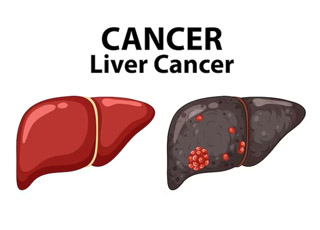
Liver cancer occurs when abnormal cells grow uncontrollably in the liver. It can begin in the liver itself (primary liver cancer) or spread to the liver from other organs (secondary or metastatic liver cancer). Early diagnosis and expert medical care are essential for effective treatment and improved survival.
Causes and Risk Factors
Liver cancer often develops in people with long-standing liver disease. Common causes and risk factors include:
- Chronic Hepatitis B or C infection
- Cirrhosis of the liver (due to alcohol, fatty liver disease, or hepatitis)
- Non-alcoholic fatty liver disease (NAFLD)
- Long-term alcohol consumption
- Obesity and diabetes
- Exposure to toxins (such as aflatoxins)
- Family history of liver cancer
Common Symptoms
In early stages, liver cancer may not cause noticeable symptoms. As the disease progresses, patients may experience:
- Pain or discomfort in the upper right abdomen
- Unexplained weight loss and loss of appetite
- Persistent fatigue and weakness
- Jaundice (yellowing of skin and eyes)
- Abdominal swelling or fluid accumulation
- Nausea, vomiting, or digestive problems
Any of these symptoms should prompt immediate medical evaluation.
Diagnosis and Treatment Options
Liver cancer is diagnosed using imaging tests such as ultrasound, CT scan, MRI, and blood tests (AFP levels), sometimes followed by biopsy. Treatment depends on the type, stage of cancer, liver function, and overall patient health.
Treatment Options Include:
- Surgical resection (liver surgery)
- Laparoscopic or robotic liver surgery
- Liver-directed therapies (ablation, embolization)
- Chemotherapy or targeted therapy
- Immunotherapy
- Liver transplantation in selected cases
Minimally invasive surgical techniques help reduce pain, complications, and recovery time.
Conclusion
Liver cancer is a serious condition, but with early detection and expert care, effective treatment is possible. Advanced minimally invasive surgical options have significantly improved recovery and outcomes. Under the care of Dr. Arvind Manoharam, patients receive state-of-the-art liver cancer treatment combined with clinical expertise, advanced technology, and personalized care at every stage.
With access to